MedTech Marketing Agency
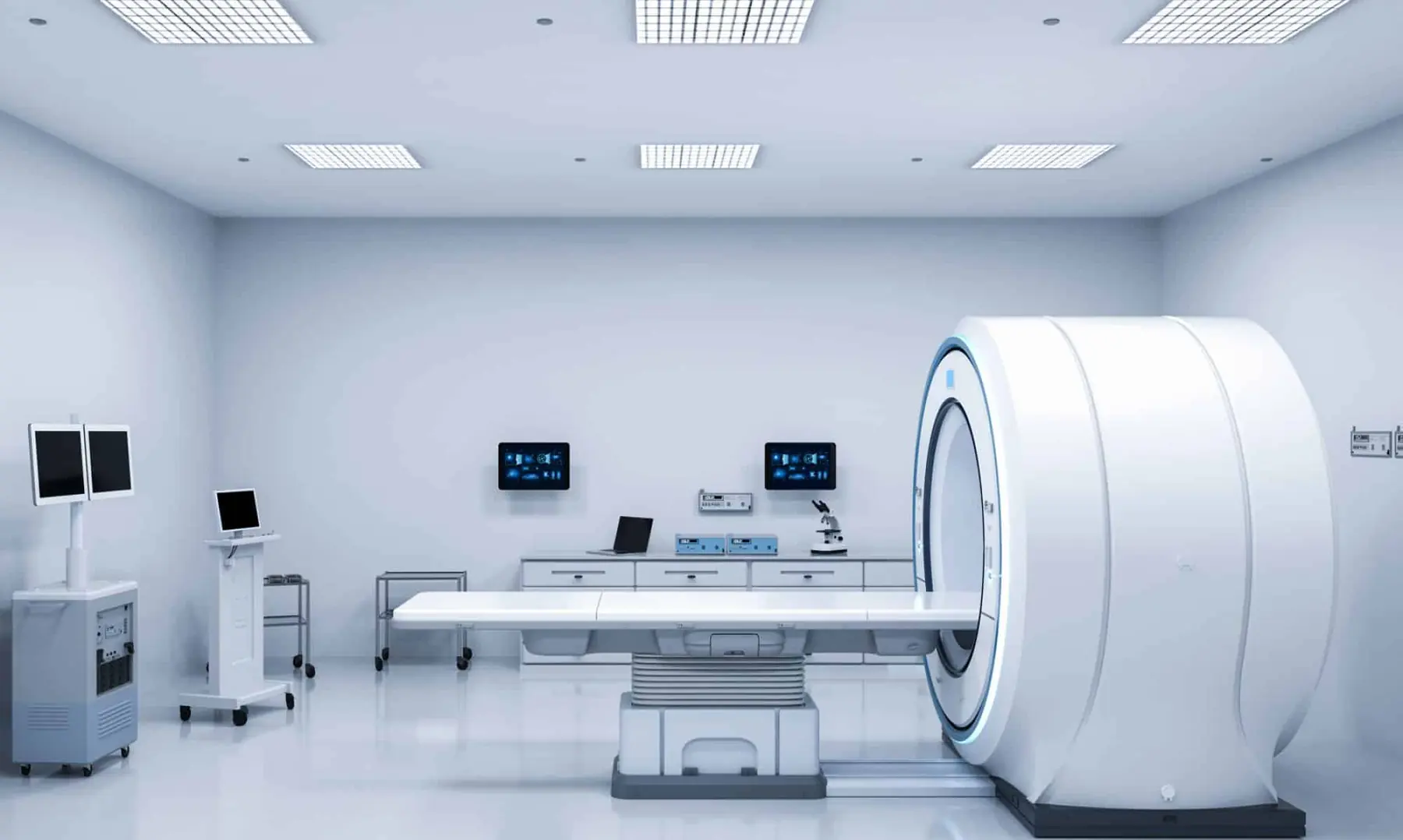
An Experienced MedTech Marketing Team You Can Count On
Our team has spent years inside the medical device industry, working with global healthcare organisations including Johnson & Johnson and Medtronic. As a specialist MedTech marketing agency, we build medical device marketing strategies that support product launches, strengthen brands and connect with the people who choose, use and approve your technology.
Experience Across the
Medical Device Landscape

Surgical
Implants & Instrumentation
Medical device marketing and commercial strategies for products used in complex surgical procedures.

Hospital
Consumables
Medical device product marketing that builds awareness and a clear value proposition across hospitals and healthcare systems.
Capital
Equipment
MedTech marketing strategy for considered purchases involving clinical, commercial and procurement stakeholders.

Healthcare
SaaS
Digital marketing for medical devices and software that turns complex technology into clear customer value.
Engaging the
people who
matter
Reach every decision-maker in the buying journey with medical device digital marketing built for their role.


Surgeons
Clinical value, procedural outcomes and product confidence


Nurses & Allied Health
Practical value, workflow and everyday product experience


Hospital Executives
Organisational value, strategic priorities and healthcare outcomes


Procurement
Commercial value, purchasing requirements and implementation


Distributors
Market development, product positioning and channel support


Sales Teams
Messaging, capability, education and tools that support customer conversations
Experience From Strategy Through Execution

Sales & Commercial Enablement
Medical device marketing services that equip your sales team.
- Sales training
- Sales kits
- Sales assets
- Objection-handling tools
Marketing & Product Strategy
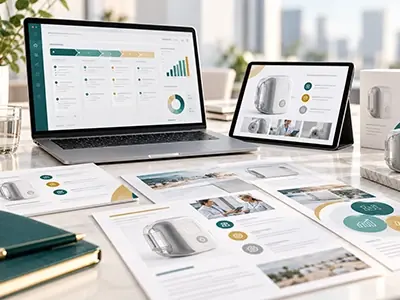
A clear medical device marketing strategy from launch to growth.
- Go-to-market strategy
- Product launches
- Product development
- Competitor positioning
- Campaign management

Education & Events
Build clinical confidence through MedTech marketing education.
- Webinars
- Workshops
- Virtual events
- E-learning

Third-Party Sponsorships
Get more value from every congress and partnership.
- Sponsorship strategy
- Lead generation
- Speaker engagement
- Post-event conversion
The Advantage of Industry
Experience
We understand how clinical, commercial, and marketing strategies need to work together.
We don’t treat MedTech as just another marketing category. We build around your sales cycle, your customers, and the wider healthcare environment. As a medical device marketing agency, we bring product marketing, digital marketing and sales enablement together to drive meaningful engagement and commercial growth.
Book a consultationCase Studies
See how our MedTech marketing approach supports medical device brands, launches and sales teams.




Are you ready to transform your business?
Contact us nowHear what our satisfied customers have to say
Coralie Brandon
Metabolic Lead Australia
Johnson & JohnsonThe team at Healthtech Marketing Solutions were easy and fast to work with. Because of their experience in the Medtech Industry they knew exactly what I needed and made my life easy. The resources they created were on strategy and brand and have been well received by the sales team. I would highly recommend them for strategic content creation.

Malcolm Laurie
Chief Commercial Officer
apoQlar MedicalHealthtech Marketing Solutions pulled together a smart strategy to help us better understand our customer’s needs. Implementing surgical focus groups, product usability sessions, and a thoughtful approach to product management helped us to build better products.

Ros Harcourt
Business Unit Manager
Johnson & JohnsonKate has a unique combination of experience and consolidates all of this into robust plans which are executed with absolute precision & skill because they have been built with a lens of each function.

Phil Bird
Director of Commercial Capabilities Asia Pacific
MedtronicKate’s attention to detail and deep understanding of adult learning principles saw her revolutionise our product and sales skills programs. She delivers gold standard training programs with exceptional outcomes.

FAQ
How does medical device marketing differ from consumer marketing?
Medical device marketing helps the right people understand the value, benefits, and clinical role of a medical device. This may include clinicians, hospital buyers, healthcare professionals, and patients. Each audience needs clear information that helps them understand how the device can meet their needs.
Unlike consumer products, medical devices need careful attention to evidence and regulatory requirements. Marketing claims should accurately reflect the device and be supported by appropriate evidence. This applies across product pages, brochures, educational content, and other promotional materials.
Strong medical device marketing connects clinical evidence with clear communication. It helps people understand what the device does, why it matters, and where it can add value.
In the US, FDA rules can treat advertising materials as medical device labeling, depending on the circumstances.
How does content marketing support the medical device buying journey?
Content marketing helps medical device companies build trust before a sales conversation begins. Instead of leading a sales pitch, you can offer useful information such as guides, clinical explainers, webinars, case studies, and educational articles. This gives potential buyers a chance to understand the problem, explore their options, and learn about your expertise.
For example, a company that makes a glucose monitor could publish helpful content about managing diabetes day to day. The device can be introduced naturally as one possible solution, rather than making every piece of content an advertisement.
Good content should educate first and sell second. When people find relevant information during their research, your brand can become a trusted source rather than another company trying to make a sale.
Content Marketing Institute research on B2B buyer research behavior.
How can medical device companies generate more qualified leads?
Generating qualified leads means reaching people who can influence or make a buying decision. This may include physicians, hospital procurement teams, administrators, or distributors. The goal is not to attract more visitors. It is to attract the people who are most likely to need your solution.
Effective tactics can include gated clinical content, medical conferences, referral relationships, LinkedIn, targeted advertising, and educational resources. These channels can help you reach healthcare audiences with information that matches their needs.
For example, an orthopedic device company could offer a useful case study on a specific surgical technique in exchange for an email address. A clear next step, such as “Request a Demo” or “Talk to a Clinical Specialist,” can then help move an interested prospect forward.
The focus should be on quality, not just quantity. When your content answers real questions and your campaigns reach the right audience, your sales team can spend more time with people who have genuine interest in your device.
Fronetics, explains B2B buyer research behavior.
What are the most effective digital marketing strategies for medical devices?
Effective digital strategies for medical devices combine credibility with visibility. Start with a well-organized website that explains your device, its benefits, and supporting evidence.
From there, use educational content such as webinars, case studies, and videos to answer real questions. LinkedIn can help you reach healthcare professionals and hospitals. SEO helps people find your website when they search for relevant products or clinical solutions. Email marketing can also keep interested prospects informed as they move through their research.
The key is to create content for different audiences and different needs. A patient may need a simple explainer video, while a clinician may want detailed product information or clinical evidence. Both can be guided to the right resources through one trusted website.
Patients and caregivers are already using online resources to research health/treatment options. That makes a strong digital presence an important part of helping people find useful information.
How do you build a medical device marketing strategy?
Medical device marketing starts with understanding who is involved in the buying decision. It is rarely just one person. A hospital may have clinicians, administrators, and other stakeholders involved before the purchase.
Each audience looks for something different. Clinicians may want to see clinical evidence and ease of use. Buyers may focus on cost, efficiency, and value. Your marketing should speak to each group with clear and relevant information.
Strong medical device marketing brings evidence, education, and value together. It helps people understand your device, see its benefits, and feel confident in their decision.
Promotional claims about medical devices must be truthful and backed by clinical evidence.
Why is SEO important for medical device companies?
SEO matters because patients, caregivers, and healthcare professionals often start their research with a search. If your medical device does not appear in relevant search results, potential buyers may never find the information they need.
For example, someone searching for “best options for managing sleep apnea at home” may be looking for practical data before choosing a device. A medical device company with useful and medically accurate content has a better opportunity to be found at that important stage of the research.
SEO is not just about rankings. It helps make your product information easier to find, easier to understand, and easier to trust. For medical device firms, that means creating helpful content around real questions while keeping the information evidence based.
Who should medical device marketing target?
Medical device marketing often needs to speak to more than one audience. The person using a device, the person approving the purchase, and the person affected by it may all be different.
For example, a cardiac monitoring device may need to address several needs. A cardiologist may want clinical evidence and outcome data. A hospital buyer may focus on cost, efficiency, and value. Nursing staff may want a device that is simple and safe to use. Patients may care about comfort and how easily it fits into daily life.
A strong strategy does not rely on one generic message. It creates consistent messaging for each audience, based on what they need to know before making a decision.
How do you market medical devices while staying compliant?
Compliance starts with making sure your marketing says only what you can support. Claims about clinical benefits, safety, or outcomes should be accurate and backed by evidence.
For example, if a wound-care device is promoted to help wounds heal faster, the claim should be supported by relevant evidence for that device. Marketing teams should also review promotional content carefully before it goes live. It is especially important when making clinical or performance claims.
The goal is not to make your marketing less creative. It is to make every message clear, credible, and responsible.
In 2025, the FDA issued over 200 enforcement letters challenging misleading advertising across drugs and devices.
Trusted by our clients to deliver impactful solutions that drive growth and build lasting connections.