

Your website is often the first interaction a patient has with your healthcare organisation. Whether they’re researching symptoms, looking for a specialist, or booking an appointment, their experience on your website can determine whether they choose your practice or move on to a competitor.
This is why partnering with a specialist medical website design agency is becoming increasingly important for healthcare providers. A modern healthcare website is far more than an online brochure. It serves as a patient acquisition tool, an educational resource, and a digital front door to your organisation.
With healthcare consumers expecting seamless digital experiences, practices and healthcare organisations that invest in effective website design are seeing stronger patient engagement, higher conversion rates, and improved business outcomes.
In this article, we’ll explore the ten essential features every modern medical website needs to attract, engage, and convert more patients.
Why Medical Website Design Matters for Patient Conversions
Healthcare consumers have changed dramatically over the past decade. Before booking an appointment, many patients research providers online, compare treatment options, read reviews, and evaluate the credibility of healthcare organisations.
A website that is difficult to navigate, slow to load, or lacking trust signals can create friction in the patient journey.
The best medical website design combines exceptional user experience with healthcare-specific functionality. It helps visitors quickly find information, build trust in your services, and take action.
A well-designed website can:
-
Increase appointment bookings
-
Improve patient engagement
-
Strengthen brand credibility
-
Support healthcare SEO efforts
-
Reduce administrative burden
-
Generate qualified enquiries
Let’s explore the features that make this possible.
1. Mobile-Responsive Design
Why It Matters
More than half of healthcare-related searches now occur on mobile devices. Patients expect websites to work flawlessly whether they are using a smartphone, tablet, or desktop computer.
Impact on Patient Experience
Mobile-responsive websites automatically adapt to different screen sizes, ensuring visitors can easily:
-
Read content
-
Complete forms
-
Book appointments
-
Contact your practice
A poor mobile experience often results in higher bounce rates and lost patient opportunities.
Best Practice
Ensure every page, form, image, and navigation element is fully optimised for mobile users.
2. Fast Page Load Speed
Why Speed Influences Conversions
Website visitors expect pages to load quickly. Research consistently shows that delays of just a few seconds can significantly increase abandonment rates.
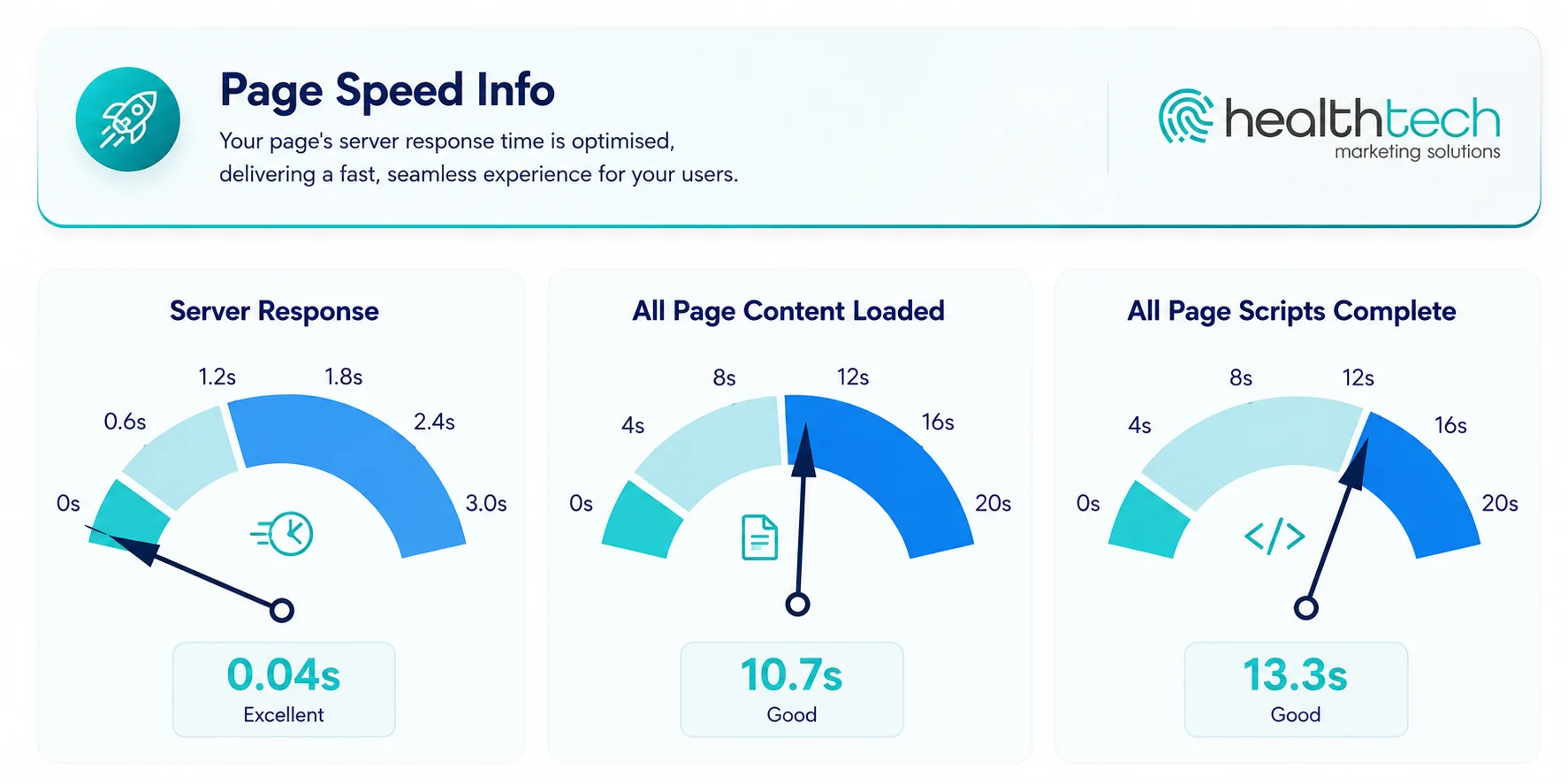
For healthcare providers, this can mean losing potential patients before they even view your services.
Benefits of Faster Websites
-
Improved patient satisfaction
-
Better search engine rankings
-
Increased conversion rates
-
Lower bounce rates
Best Practice
Optimise image sizes, minimise unnecessary plugins, and use reliable hosting infrastructure to improve performance.
3. Clear Calls-to-Action (CTAs)
Guide Patients Toward Action
Every page should provide a clear next step.
Common healthcare CTAs include:
-
Book an Appointment
-
Contact Our Team
-
Request a Consultation
-
Download a Resource
-
Find a Specialist
Why CTAs Matter
Patients often need guidance. Without a clear path forward, they may leave without taking action.
Best Practice
Use prominent, easy-to-find CTA buttons throughout your website.
4. Online Appointment Scheduling
Meeting Modern Patient Expectations
Convenience is a major factor in healthcare decision-making.
Patients increasingly prefer the ability to book appointments online rather than making phone calls during business hours.
Benefits
-
Improved patient experience
-
Reduced administrative workload
-
Fewer missed opportunities
-
Increased booking volume
Best Practice
Integrate secure appointment scheduling tools directly into your website.
5. Trust-Building Elements
Building Confidence Before the First Appointment
Healthcare decisions are built on trust.
Patients want reassurance that they are choosing a qualified and reputable provider.
Essential Trust Signals
-
Patient testimonials
-
Provider profiles
-
Clinical credentials
-
Awards and recognitions
-
Professional memberships
-
Accreditation badges
Real-World Impact
Practices that prominently showcase trust signals often experience higher engagement and stronger conversion rates.
6. Patient-Centric Navigation
Make Information Easy to Find
Patients visit healthcare websites looking for answers.
Complicated navigation structures can frustrate users and create unnecessary barriers.
What Patients Want to Access Quickly
-
Services
-
Locations
-
Contact information
-
Appointment booking
-
Provider profiles
-
Patient resources
Best Practice
Organise website navigation around patient needs rather than internal business structures.
7. SEO-Optimised Website Structure
Visibility Drives Patient Acquisition
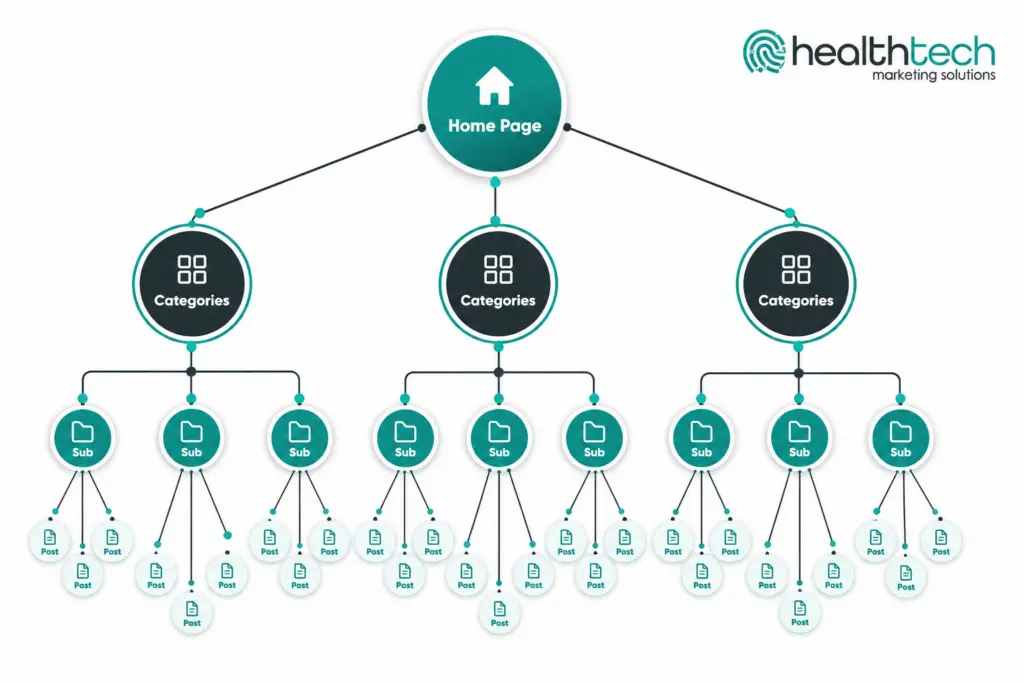
Even the most impressive website cannot generate results if potential patients cannot find it.
A specialist healthcare website design company understands the importance of building SEO into the website from the beginning.
SEO Considerations
-
Local search optimisation
-
Keyword-focused page structures
-
Fast loading pages
-
Mobile responsiveness
-
Optimised metadata
-
Internal linking strategies
Why It Matters
Healthcare organisations that invest in SEO often generate sustainable organic traffic and lower patient acquisition costs over time.
8. Secure and Compliant Design
Protecting Patient Information
Healthcare organisations handle sensitive information and must prioritise privacy and security.
Patients need confidence that their personal information is protected.
Key Security Features
-
Secure contact forms
-
Encrypted data transmission
-
Privacy policies
-
Regulatory compliance measures
Best Practice
Work with a provider experienced in healthcare website requirements to ensure security standards are maintained.
9. Educational Content and Resources
Supporting Better Patient Decisions
Educational content helps patients understand conditions, treatments, and available services.
It also positions your organisation as a trusted authority.
Valuable Content Types
-
Blog articles
-
FAQs
-
Treatment guides
-
Patient resources
-
Video content
-
Downloadable materials
Additional SEO Benefits
Regular content creation supports healthcare digital marketing initiatives and helps improve search visibility.
Common Misconception
Many organisations believe patients only want contact information. In reality, patients often conduct extensive research before selecting a healthcare provider.
10. Conversion-Focused Contact Options
Reduce Friction in the Patient Journey
Different patients prefer different communication channels. Providing multiple contact options helps maximise conversions.
Recommended Contact Features
-
Click-to-call functionality
-
Contact forms
-
Live chat
-
Email enquiries
-
Location maps
Best Practice
Make contact options visible throughout the website, not just on the contact page.
Future Trends in Medical Website Development
The future of medical website development will be shaped by increasing patient expectations and emerging technologies.
AI-Powered Patient Support
AI chat assistants are helping healthcare providers answer common questions and direct patients to relevant services.
Personalised Experiences
Websites are becoming more tailored to individual patient needs, improving engagement and relevance.
Enhanced Patient Journeys
Advanced analytics and user experience improvements will continue to create smoother, more efficient patient pathways.
Healthcare organisations that embrace innovation will be better positioned to meet evolving patient expectations.
Common Misconceptions About Healthcare Websites
“A website only needs to look professional.”
Appearance matters, but functionality, usability, speed, and conversion optimisation are equally important.
“Patients only care about finding contact information.”
Patients also seek education, reassurance, reviews, provider credentials, and service information.
“SEO isn’t important for healthcare websites.”
Without SEO, even the most attractive website may struggle to attract new visitors and generate enquiries.
Conclusion
A high-performing healthcare website does far more than showcase your services. It serves as a powerful patient acquisition and engagement tool.

By implementing these ten essential features mobile responsiveness, fast load speeds, clear CTAs, online booking, trust-building elements, patient-focused navigation, SEO optimisation, secure design, educational content, and conversion-focused contact options you can significantly improve patient experience and increase conversions.
Working with an experienced medical website design agency ensures your website is built to meet the unique needs of healthcare organisations while supporting long-term business growth.
At Healthtech Marketing Solutions, we specialise in creating healthcare websites that engage patients, strengthen trust, and drive measurable results. If you’re ready to improve your website performance and patient conversion rates, contact our team today for a website assessment and consultation.
Frequently Asked Questions
What makes the best medical website design?
The best medical website design combines excellent user experience, mobile responsiveness, fast performance, trust-building elements, clear calls-to-action, and strong SEO foundations.
Why should I hire a medical website design agency?
A specialist medical website design agency understands healthcare regulations, patient behaviour, SEO requirements, and conversion optimisation strategies specific to the healthcare industry.
How does healthcare website design impact patient conversions?
Effective healthcare website design removes barriers, builds trust, improves navigation, and encourages visitors to take action such as booking appointments or submitting enquiries.
What features should every healthcare website include?
Essential features include mobile responsiveness, online booking, secure forms, patient education resources, provider profiles, testimonials, and clear contact options.
How often should a medical website be updated?
Healthcare websites should be reviewed regularly and updated at least annually, with ongoing updates to content, security, SEO, and patient resources.