
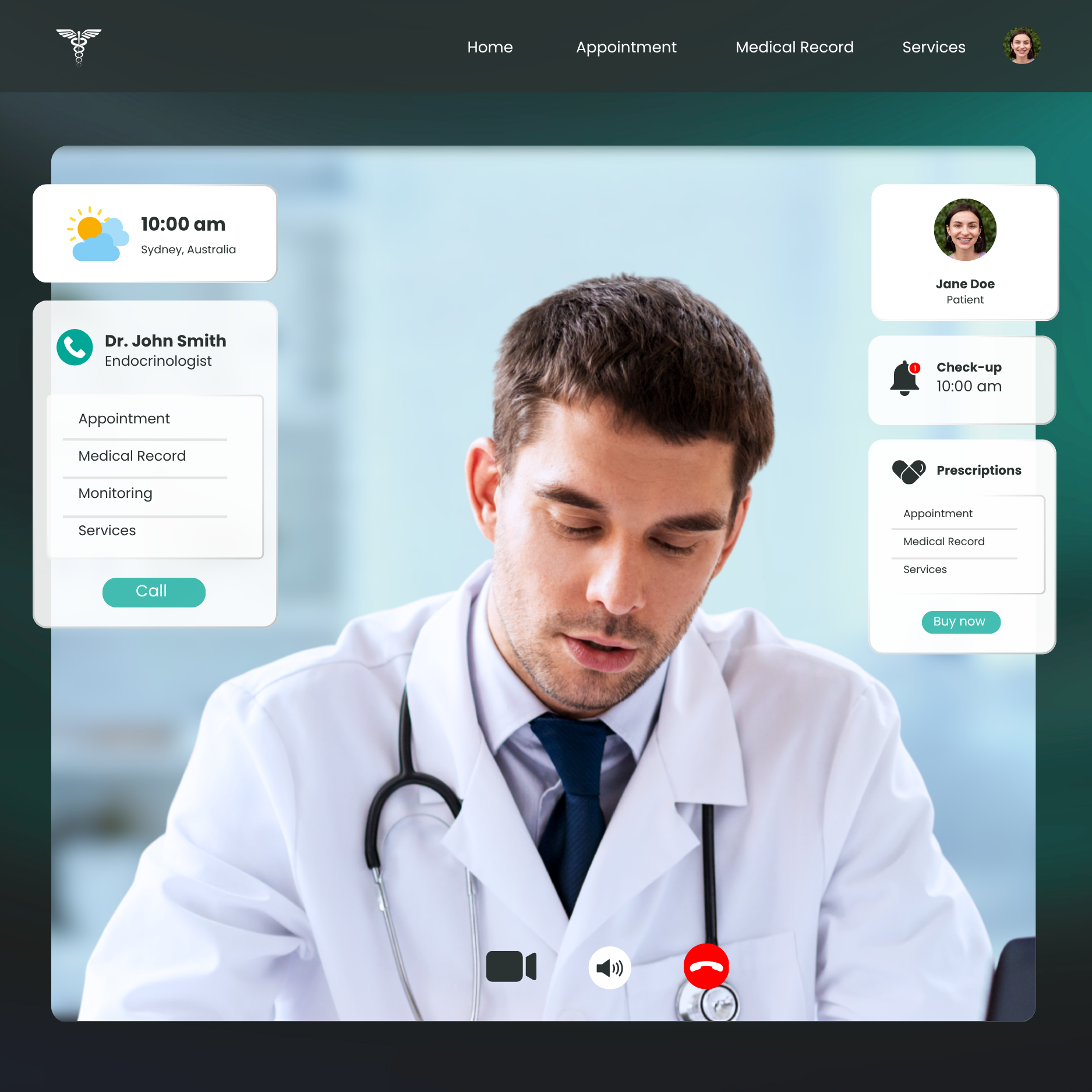
Healthcare websites are no longer just digital brochures. In 2026, patients expect seamless, intuitive, and trustworthy online experiences that mirror the quality of care they receive in person.
For healthcare providers, MedTech companies, pharmaceutical brands, and natural medicine businesses, your website is often the first interaction a patient or healthcare professional has with your brand. And with Google’s evolving search updates placing greater emphasis on user experience, authority, and helpful content, healthcare website design has become a critical driver of visibility, engagement, and growth.
At Healthtech Marketing Solutions, we’re seeing a clear shift in what patients expect and what healthcare organisations must deliver to remain competitive online.
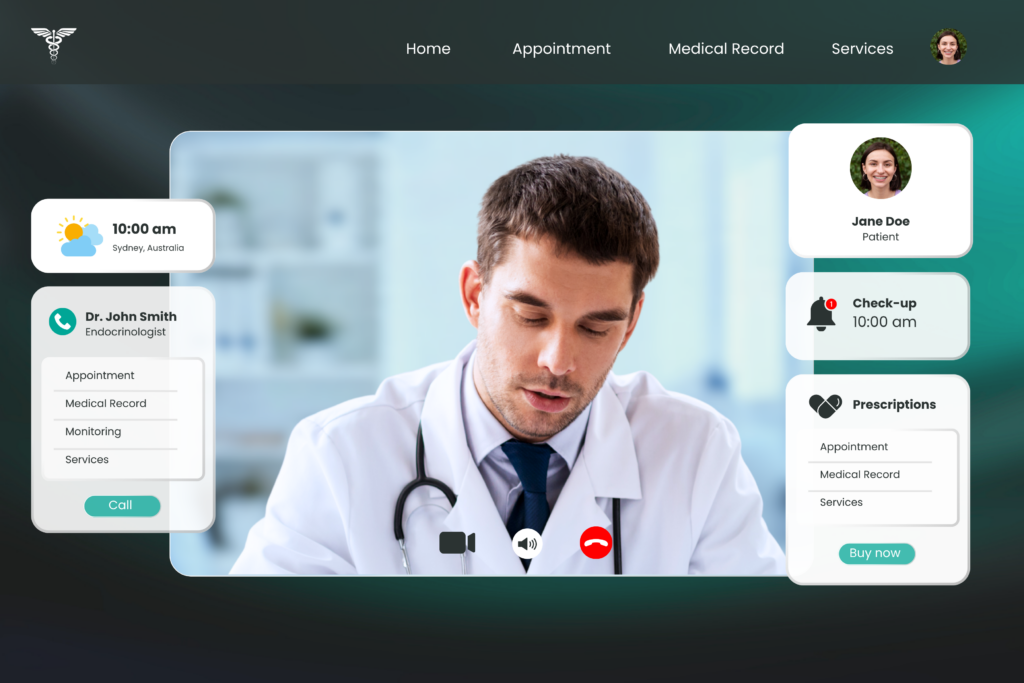
Why Healthcare Website Design Matters More Than Ever
Google’s recent updates continue to prioritise websites that demonstrate:
-
Strong user experience
-
Mobile-first functionality
-
Fast loading speeds
-
Helpful, trustworthy content
-
Accessibility and inclusivity
-
Secure browsing experiences
-
Clear expertise and authority
For healthcare organisations, these updates are especially important. Healthcare falls under Google’s “Your Money or Your Life” (YMYL) category, meaning websites are held to a higher standard because inaccurate or poor-quality information can impact patient wellbeing.
This means that investing in the best healthcare website design is no longer optional it’s essential for both search visibility and patient trust.

What Patients Expect From Healthcare Websites in 2026
1. Mobile-First Experiences
Patients are searching for healthcare services on their phones more than ever before. Whether they’re booking appointments, researching symptoms, or comparing providers, users expect websites to load quickly and function flawlessly across all devices.
Modern healthcare website developers must prioritise:
-
Responsive design
-
Fast mobile performance
-
Easy navigation
-
Click-to-call functionality
-
Mobile-friendly booking forms
If a healthcare website feels outdated or difficult to use on mobile, patients are likely to leave within seconds.
2. Faster Access to Information
Patients no longer want to dig through multiple pages to find answers. They expect immediate access to:
-
Services offered
-
Practitioner information
-
Treatment options
-
Pricing or insurance details
-
Contact information
-
Appointment booking
Healthcare websites in 2026 need streamlined navigation structures and clear calls-to-action that reduce friction and improve engagement.
3. Trust, Credibility, and Transparency
Trust remains one of the most influential factors in healthcare decision-making.
Patients expect healthcare websites to clearly demonstrate:
-
Clinical expertise
-
Industry credentials
-
Patient outcomes
-
Testimonials and case studies
-
Transparent communication
-
Privacy and security standards
Google’s search algorithms are also increasingly rewarding websites that showcase Experience, Expertise, Authoritativeness, and Trustworthiness (E-E-A-T).
For healthcare brands, this means combining compelling design with credible, evidence-based content.
4. Personalised Patient Experiences
Patients now expect digital experiences tailored to their needs.
Leading healthcare website design agencies are integrating features such as:
-
Personalised content recommendations
-
AI-powered chat support
-
Interactive symptom guides
-
Dynamic patient journeys
-
Location-based services
-
Custom educational resources
Personalisation improves engagement while helping patients feel understood and supported throughout their healthcare journey.
5. Accessibility for Every Patient
Accessibility is becoming a major priority for both users and search engines.
Healthcare websites should be designed to support patients with:
-
Visual impairments
-
Hearing impairments
-
Cognitive disabilities
-
Limited digital literacy
Accessibility best practices include:
-
Clear typography
-
Strong colour contrast
-
Keyboard navigation
-
Alt text for images
-
Readable content structures
-
Captioned videos
An accessible healthcare website improves usability for everyone while supporting compliance and broader patient reach.
6. Educational Content That Builds Confidence
Healthcare consumers are more informed than ever. Before booking an appointment or choosing a provider, many patients spend significant time researching online.
Educational content plays a critical role in:
-
Building trust
-
Supporting SEO performance
-
Answering patient questions
-
Improving conversion rates
-
Positioning healthcare brands as industry leaders
This is why the best healthcare website design strategies combine exceptional user experience with high-quality healthcare content.
Blogs, FAQs, treatment guides, videos, and downloadable resources all contribute to stronger patient engagement and improved Google rankings.
7. AI and Search Are Changing Healthcare SEO
Google’s AI-driven search experiences are reshaping how healthcare websites appear in search results.
Healthcare organisations now need websites that are:
-
Structured for AI search visibility
-
Optimised for conversational search queries
-
Built with semantic content strategies
-
Supported by authoritative healthcare information
Search is becoming more intent-driven. Patients are asking detailed, conversational questions — and Google is rewarding websites that provide clear, helpful answers.
Working with an experienced healthcare website design agency ensures your website is prepared for these evolving search behaviours.
The Role of Healthcare Website Developers in 2026
Healthcare websites require specialised expertise.
Unlike general business websites, healthcare websites must balance:
-
Compliance requirements
-
Patient trust
-
Technical SEO
-
Accessibility
-
Educational content
-
Conversion optimisation
-
Clinical credibility
Experienced healthcare website developers understand how to create websites that not only look professional but also perform effectively within the highly regulated healthcare environment.
What Defines the Best Healthcare Website Design?
The best healthcare websites in 2026 will combine:
Strategic User Experience
Simple navigation, intuitive design, and seamless patient journeys.
High-Quality Educational Content
Content that informs, supports, and builds authority.
SEO Foundations
Technical optimisation aligned with Google’s latest updates.
Strong Branding
Consistent messaging and visuals that build trust and recognition.
Conversion-Focused Design
Clear pathways for appointments, enquiries, and engagement.
Performance and Security
Fast loading speeds, secure browsing, and reliable functionality.
Final Thoughts
Healthcare website design is evolving rapidly driven by patient expectations, AI-powered search, and Google’s continued focus on quality and trust.
Healthcare organisations that invest in modern, patient-centred digital experiences will be better positioned to:
-
Increase visibility online
-
Build patient trust
-
Improve engagement
-
Drive enquiries and conversions
-
Strengthen long-term brand growth
At Healthtech Marketing Solutions, we specialise in creating healthcare websites designed to engage patients, support SEO performance, and help healthcare brands stand out in competitive markets.
If your healthcare website is no longer meeting patient expectations, now is the time to rethink your digital experience.
Ready to build a healthcare website designed for the future? Contact Healthtech Marketing Solutions today.
What healthcare industries does Healthtech Marketing Solutions support?
Healthtech Marketing Solutions supports a wide range of healthcare sectors, including:
-
Medical Devices
-
Pharmaceuticals
-
Natural Medicine
-
Healthcare Technology
-
Patient Services
-
Healthcare Education
-
Digital Health
Our team understands the unique marketing and communication requirements across regulated healthcare industries.
Frequently Asked Questions
Why choose Healthtech Marketing Solutions for healthcare website design?
Healthtech Marketing Solutions specialises exclusively in healthcare marketing, making us uniquely positioned to understand the needs of MedTech, pharmaceutical, natural medicine, and healthcare organisations. Our team combines healthcare industry expertise with strategic digital marketing, SEO, and website development to create healthcare websites that build trust, engage patients, and drive business growth.
Is Healthtech Marketing Solutions a healthcare website design agency?
Yes. Healthtech Marketing Solutions is a specialist healthcare website design agency focused on delivering high-performing digital experiences for healthcare brands. We create websites tailored to the healthcare industry, ensuring every project aligns with patient expectations, Google search updates, accessibility standards, and healthcare compliance requirements.
What makes Healthtech Marketing Solutions different from general website developers?
Unlike general website developers, Healthtech Marketing Solutions understands the complexities of healthcare marketing. Our team has extensive experience across MedTech, pharmaceuticals, patient engagement, commercial education, and healthcare strategy. This allows us to create websites that not only look professional but also communicate clinical credibility, improve SEO performance, and support patient trust.
How does Healthtech Marketing Solutions improve healthcare SEO performance?
Healthtech Marketing Solutions builds healthcare websites with SEO best practices integrated from the beginning. This includes: Mobile-first website design Fast loading speeds SEO-optimised page structures Educational healthcare content Technical SEO optimisation Accessibility enhancements Google E-E-A-T alignment Our goal is to help healthcare organisations improve search visibility while delivering exceptional patient experiences.
Can Healthtech Marketing Solutions help redesign outdated healthcare websites?
Absolutely. Healthtech Marketing Solutions helps healthcare businesses modernise outdated websites to meet current patient expectations and Google standards. We focus on improving: User experience Website performance Mobile responsiveness Brand positioning Patient engagement Search engine visibility This ensures your healthcare website remains competitive in an increasingly digital healthcare environment.
What healthcare industries does Healthtech Marketing Solutions support?
Healthtech Marketing Solutions supports a wide range of healthcare sectors, including: Medical Devices Pharmaceuticals Natural Medicine Healthcare Technology Patient Services Healthcare Education Digital Health Our team understands the unique marketing and communication requirements across regulated healthcare industries.